
Reducing Excess Guard Hours With Technology
- Video Monitoring,
- Construction Site Security,
- Virtual Guard
Construction projects face constant pressure to control costs while protecting valuable equipment, materials, and worksites. Security is an important part of that equation, but as labor costs continue to rise, maintaining around-the-clock guard coverage can become one of the largest ongoing expenses on a project.
Contractors are trying to reduce those costs without creating new vulnerabilities. Simply cutting guard hours can leave a site exposed to theft, vandalism, trespassing, and other incidents that disrupt schedules and increase expenses.
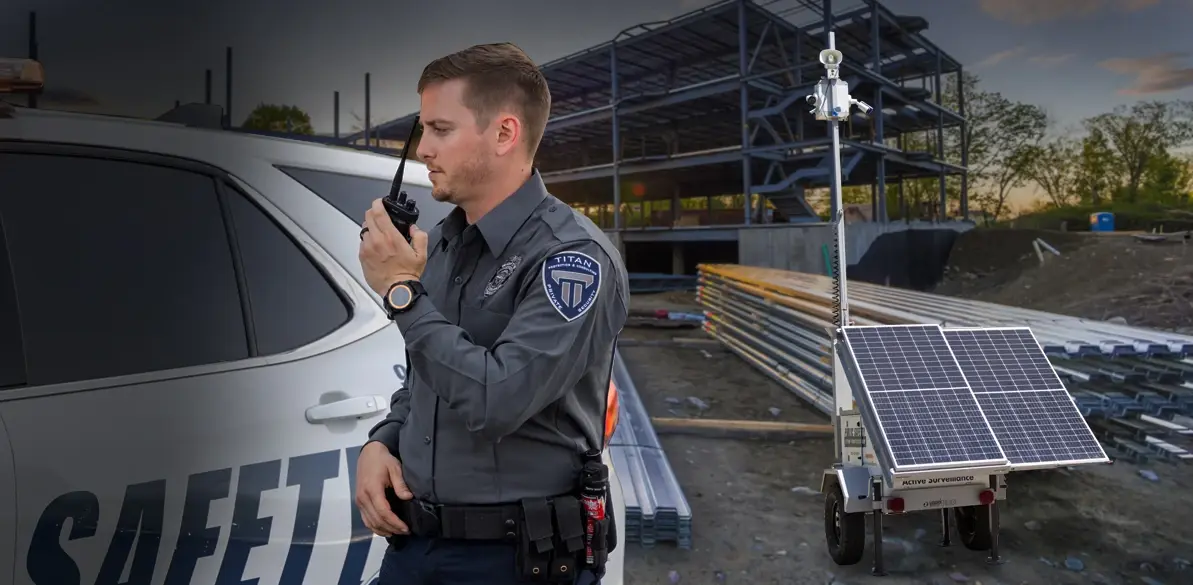
A growing number of construction companies are addressing both concerns with a blended security strategy. By combining live video monitoring, Virtual Security Guards, drone patrols, and rapid response services, contractors can reduce unnecessary guard hours while maintaining continuous visibility across the jobsite. The result is a more efficient security program that adapts to changing project needs without sacrificing protection.
The True Cost of Full-Time On-Site Guards
Many construction sites rely on overnight guards, weekend coverage, or 24/7 staffing to help deter theft and unauthorized access. While on-site officers continue to play an important role in many security programs, maintaining continuous coverage with personnel alone can become expensive over the life of a project.
Labor costs include much more than hourly wages. Contractors also need to account for overtime, benefits, scheduling, training, supervision, and employee turnover. Depending on the size and duration of the project, those expenses can quickly add up.
There are operational considerations as well. Construction sites are dynamic environments, and valuable assets are often spread across multiple locations. Equipment yards, storage containers, material staging areas, and partially completed structures may all require attention. A single officer can patrol the site, but they cannot maintain continuous visibility across every area at the same time.
As projects expand, adding additional guard hours doesn't always produce the same increase in protection. At a certain point, contractors may find themselves paying more for coverage while still facing blind spots across the property.
The Risk of Simply Cutting Guard Hours Without a Plan
Reducing guard hours without another layer of security can create unnecessary risk.
Construction sites remain attractive targets because they often contain expensive machinery, power tools, copper wiring, generators, fuel, and building materials. After crews leave for the day, unauthorized visitors may have hours to access the property if suspicious activity goes unnoticed.
The consequences extend beyond replacing stolen equipment. Theft or vandalism can delay deliveries, interrupt work schedules, require additional inspections, and increase project costs. Even relatively minor incidents may affect productivity if crews arrive to damaged equipment or unsecured work areas.
Rather than eliminating on-site security, many contractors are taking a more strategic approach, evaluating where personnel provide the greatest value and using technology to maintain continuous awareness across the rest of the site. This allows guard hours to be reduced where appropriate without leaving the project unprotected.
The Blended Security Model: Smarter Coverage, Lower Cost
A blended security model combines several technologies and services into a single security strategy. Instead of relying on one solution to protect the entire jobsite, each component contributes to faster detection, better visibility, and a more efficient response.
A typical blended security program includes:
- 24/7 live video monitoring
- Virtual Security Guards
- Drone patrol and aerial verification
- Mobile response units
- On-site officers when appropriate
Each element serves a different purpose. Monitoring systems provide continuous visibility, Virtual Security Guards verify suspicious activity, drones investigate large or remote areas, and response personnel address confirmed incidents.
This layered approach allows contractors to shift routine observation to technology while reserving on-site personnel for situations where a physical presence is most valuable. As projects move through different phases, security resources can also be adjusted to match changing risks and operational needs.
Video Monitoring: The Always-On Backbone
Construction sites don't stop being vulnerable when workers leave.
Live video monitoring provides continuous oversight of entrances, equipment yards, storage areas, and perimeter zones throughout the day and night. Unlike traditional surveillance systems that simply record footage, monitored systems are actively observed by trained professionals who evaluate alerts as they occur.
When suspicious activity is detected, operators can verify what is happening in real time and issue live two-way audio warnings when appropriate. If additional action is needed, they can coordinate the proper response before an incident escalates.
Because monitored cameras remain active across multiple locations simultaneously, they also help eliminate many of the visibility gaps that can occur when one officer is responsible for patrolling a large construction site.
Virtual Security Guards: Replacing Static Posts with Smart Oversight
Not every area of a construction site requires a dedicated on-site officer throughout the night.
Virtual Security Guards provide remote oversight by monitoring multiple camera feeds at the same time, allowing trained operators to supervise large jobsites from a central monitoring center. When an alert occurs, they evaluate the situation immediately, determine whether intervention is necessary, and coordinate the appropriate response.
This approach offers several advantages for construction projects. Remote operators can monitor more than one location simultaneously, provide consistent oversight throughout every shift, and respond quickly to changing conditions across the property.
For contractors managing multiple projects or multi-phase developments, Virtual Security Guards also provide flexibility. Coverage can be expanded, reduced, or reconfigured as the project evolves without requiring significant changes to on-site staffing.
Drone Patrol and Rapid Response: Extending Coverage Without Adding Labor
Large construction sites can be difficult to patrol efficiently, particularly when equipment, materials, and work areas are spread across several acres.
Drone patrols provide a fast way to investigate suspicious activity and verify alarms before personnel arrive on scene. Within minutes, operators can obtain a live aerial view of the area, assess the situation, and determine whether additional response is needed.
This capability is especially valuable for monitoring remote sections of a jobsite, perimeter fencing, or areas that would otherwise require lengthy patrols on foot or by vehicle.
Combined with mobile response services, drone patrols help contractors extend security coverage across the entire property while reducing the need for additional routine guard hours.
How to Safely Reduce Guard Hours
Reducing guard hours doesn't mean eliminating on-site security altogether. The most effective approach evaluates where personnel are needed most and uses technology to provide continuous awareness across the rest of the jobsite. A blended security strategy gives contractors the flexibility to adjust coverage as project conditions change while maintaining strong protection.
A practical approach includes four steps:
1. Identify High-Risk Areas
Every construction site has locations that require greater attention. Equipment yards, material storage areas, fuel tanks, copper wiring, and access points are often among the most attractive targets for theft and vandalism.
Identifying these areas first allows contractors to focus security resources where they're most likely to prevent losses.
2. Replace Routine Overnight Posts with Live Monitoring
Many overnight guard assignments involve long periods of routine observation. Live video monitoring provides continuous visibility during those hours, allowing trained operators to evaluate activity across multiple areas simultaneously.
When suspicious activity occurs, operators can verify the situation, issue live audio warnings when appropriate, and coordinate the next steps. This allows contractors to reduce routine guard hours while maintaining around-the-clock oversight.
3. Use Drone Patrols for Large or Remote Areas
Construction sites often include sections that are difficult to reach quickly, especially during overnight hours.
Drone patrols can investigate those areas within minutes, providing a live aerial view that helps determine whether additional response is necessary. Rather than conducting routine patrols across the entire property, security teams can focus their attention where suspicious activity has actually been detected.
4. Deploy On-Site Personnel Where They Add the Greatest Value
On-site officers remain an important part of many construction security programs. Instead of assigning personnel to static posts throughout every shift, contractors can schedule officers during active work periods, high-risk phases of construction, or when a verified incident requires a physical response.
This approach helps make better use of security resources while allowing staffing levels to evolve alongside the project.
Real-World Examples of a Blended Security Strategy
Every construction project has different security requirements, but blended security can be adapted to a wide range of jobsites.
Scenario 1: Reducing Overnight Guard Costs
A commercial construction project relied on overnight guard coverage throughout the week. After installing monitored cameras and adding Virtual Security Guards, the contractor shifted routine overnight observation to the monitoring center while maintaining the ability to dispatch personnel when suspicious activity was confirmed. The result was lower labor costs without sacrificing overnight visibility.
Scenario 2: Preventing Copper Theft
Late one evening, live monitoring identified suspicious activity near stored electrical materials. After operators verified the alert, the appropriate response was initiated before the individuals could remove valuable copper from the site. Early detection helped prevent a theft that could have delayed construction and increased project costs.
Scenario 3: Protecting a Large Jobsite
A multi-acre project included several equipment storage areas and perimeter access points spread across the property. Drone patrols allowed security personnel to quickly assess remote areas while monitored cameras maintained continuous visibility across the rest of the site. The contractor maintained comprehensive coverage without significantly increasing on-site staffing.
Better Budget Control Through Blended Security
For project managers, security plays an important role in keeping projects on schedule and costs under control.
Reducing unnecessary guard hours can help lower labor expenses, but the benefits extend well beyond payroll. Early detection of suspicious activity can reduce theft-related delays, limit property damage, and help avoid the costs associated with replacing stolen equipment or repairing vandalized areas.
A blended security strategy also allows contractors to adjust coverage as the project progresses. Early site preparation, active construction, and project closeout each present different security challenges. Rather than maintaining the same staffing levels throughout every phase, contractors can scale security services to match changing risks and operational needs.
This flexibility helps transform security from a fixed expense into a more manageable operational investment.
Why Titan Protection
Construction security isn't one-size-fits-all.
Titan Protection works with contractors, developers, and project managers to build security programs that reflect each site's size, layout, schedule, and level of risk.
By combining live video monitoring, Virtual Security Guards, drone patrols, rapid response services, and on-site Officers when appropriate, Titan delivers a layered approach that helps improve visibility while supporting long-term cost control.
Whether protecting a single commercial development or multiple active jobsites, Titan's solutions are designed to adapt as projects move from groundbreaking through completion.
Build a More Efficient Construction Security Program
Managing security costs doesn't have to mean accepting greater risk.
By combining continuous monitoring, Virtual Security Guards, drone patrols, and targeted response, contractors can reduce unnecessary guard hours while maintaining the visibility needed to protect equipment, materials, and active jobsites.
A blended security strategy helps improve operational efficiency, supports better budget control, and provides the flexibility to scale security as projects evolve.
Contact Titan Protection today to schedule a construction security assessment and learn how a customized blended security program can help protect your next project.
Frequently Asked Questions
Can guard hours be reduced without increasing theft risk?
Yes. When supported by live monitoring, Virtual Security Guards, drone patrols, and rapid response services, many routine guard hours can be reduced while maintaining continuous oversight and a timely response to suspicious activity.
How does virtual monitoring compare to on-site guards?
Virtual monitoring provides continuous visibility across multiple areas simultaneously, while on-site officers provide a physical presence when intervention is needed. Many contractors use both as part of a blended security strategy.
Are drones effective on large construction sites?
Yes. Drones can quickly investigate remote areas, verify alarms, and provide live aerial visibility across large jobsites that would otherwise require lengthy patrols.
What cost savings can blended security deliver?
Savings vary depending on the project, but many contractors reduce labor costs, minimize theft-related losses, and gain greater flexibility by aligning security resources with changing project needs.
How quickly can Titan deploy monitoring services?
Deployment timelines vary by project size and security requirements, but Titan works with contractors to implement scalable solutions that support active construction environments.
Subscribe To Email Update
Posts by Topic
- Video Monitoring
- Drone Security
- Virtual Guard
- Construction Site Security
- Auto Dealership Security
- Blended Security
- News
- Press Release
- In The News
- Commercial Property Security
- Kansas City
- Parking Lot Security
- Events
- Farm Protection
- Farm Security
- St Louis
- St. Louis Security
- Cannabis Dispensary Security
- Critical Facility Security
- Hospital Security
- Insider
- Campus Security
- Data Center Security
- Solar Farm Security