NDAA-Compliant Drones: Why Compliance Matters When Choosing a Drone Security Partner
- Drone Security
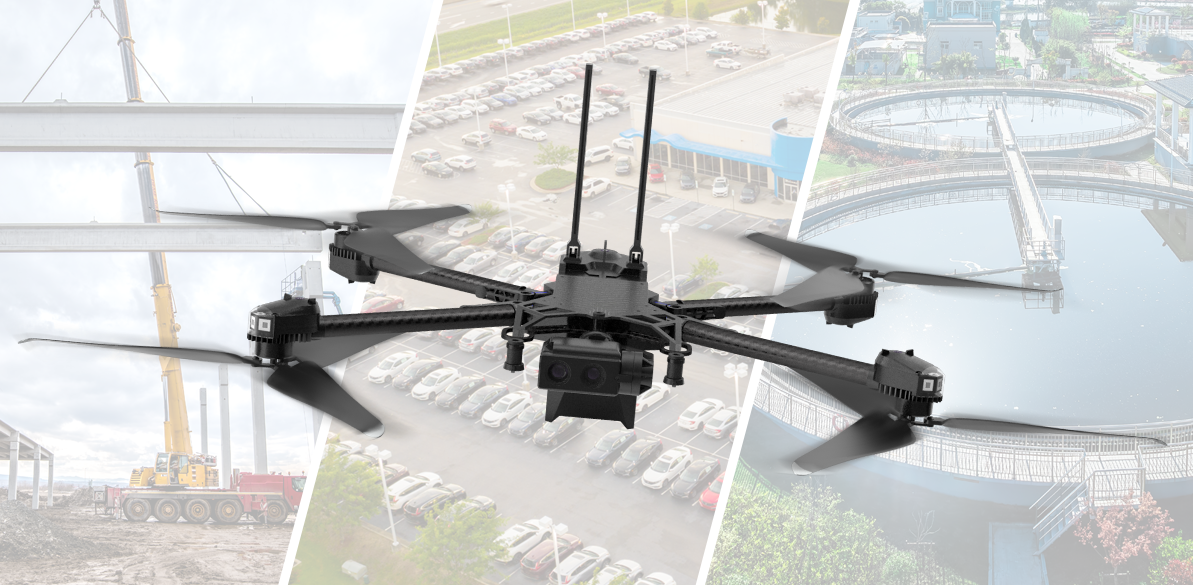
Drone technology, including NDAA-compliant drones, is becoming an increasingly important part of commercial security programs.
Construction sites, utilities, critical infrastructure, manufacturing facilities, and enterprise campuses can use drones to extend visibility across large properties, investigate suspicious activity, and give security teams a better understanding of what is happening on the ground.
As adoption grows, organizations are also looking more closely at the technology behind those capabilities.
Cybersecurity, data protection, supply chain integrity, regulatory requirements, and long-term reliability all factor into the decision. To fully evaluate drone security, understanding where the technology comes from and how it is operated is as important as its flight capabilities.
That puts greater responsibility on the security provider. Titan Protection delivers professionally managed drone security built around trusted technology, experienced operators, and security practices designed for commercial and enterprise environments.
What Is the National Defense Authorization Act (NDAA)?
The National Defense Authorization Act, or NDAA, is federal legislation passed annually to establish policies and funding priorities for the U.S. Department of Defense. Certain provisions of the NDAA restrict federal agencies and other covered organizations from purchasing or using specified technologies and equipment from designated manufacturers.
Those restrictions have increasingly affected the drone industry.
The concern extends beyond where a drone is manufactured. Modern commercial drones combine cameras, sensors, communications systems, software, firmware, cloud services, and data storage. Each component can introduce security considerations, particularly when drones operate around sensitive facilities or collect detailed imagery.
NDAA-compliant drones and drone technology are designed to meet applicable federal procurement requirements concerning restricted manufacturers and components. Even for organizations that are not legally required to follow those procurement rules, NDAA compliance can provide a useful benchmark when evaluating the trustworthiness of a drone platform and its supply chain.
Why NDAA Compliance Matters Beyond Government Agencies
NDAA requirements have particular importance for federal agencies, government contractors, and organizations operating under applicable federal funding or procurement rules.
Private organizations may have different requirements, but many are asking similar questions about the technologies entering their security environments:
- Who manufactured the equipment?
- Where are components sourced?
- How is data handled?
- Who can access it?
- How are software and firmware updated?
For organizations responsible for critical infrastructure, utilities, manufacturing facilities, corporate campuses, or other sensitive properties, those questions can influence technology procurement even when NDAA compliance is not formally required.
Choosing NDAA-compliant technology can therefore be part of a broader risk-management strategy centered on trusted technology, cybersecurity, and operational resilience.
Why Supply Chain Security Matters for NDAA-Compliant Drones
The aircraft itself is only one component of a drone security system.
Hardware, software, firmware, cameras, communications technology, cloud platforms, and other components may come from different manufacturers and suppliers. Understanding that ecosystem has become increasingly important as physical security and cybersecurity converge.
When evaluating a drone platform, organizations should consider:
- Manufacturer ownership
- Hardware and component sourcing
- Software integrity
- Firmware and security updates
- Vendor transparency
- Long-term product support
A drone may offer impressive range, cameras, or flight capabilities, but those specifications don't answer questions about where components originate or how the technology will be supported over its useful life.
Supply chain transparency provides another way to evaluate the operational risk associated with a security technology investment. Titan Protection evaluates the technology supporting its drone security program with these long-term considerations in mind, helping clients deploy solutions that align with modern enterprise security expectations.
Data Security Is Just as Important as Physical Security
Drone security can generate highly detailed information about a property. Depending on the deployment, that information may include aerial imagery of buildings, infrastructure, equipment, access points, perimeters, or other areas that organizations would not want broadly accessible.
This is why the evaluation process must also consider data security.
One consideration is data sovereignty, which addresses where data is stored, processed, and accessed. It also includes understanding where operational drone data goes after it is collected, who has access to it, and what controls protect it.
These concerns become especially important around critical infrastructure and other sensitive environments. Secure drone operations therefore depend on both trusted technology and disciplined operating procedures. Organizations should understand how their provider handles data throughout the process and how drone security fits within broader cybersecurity and risk-management practices.
Why Choosing a Managed Drone Security Partner Matters
Buying a drone does not create a drone security program. Effective commercial deployments require people, procedures, regulatory knowledge, maintenance, monitoring, and coordination with the organization's broader security operation.
Depending on the deployment, those responsibilities may include:
- FAA-certified remote pilots
- Flight planning
- Monitoring
- Equipment maintenance
- Incident verification
- Response coordination
- Ongoing program management
Building those capabilities internally can add considerable operational complexity.
A managed drone security service gives organizations access to drone capabilities without requiring them to develop and operate the entire program themselves. The security provider manages the technology and operational requirements while integrating aerial visibility into the client's broader security strategy.
This also changes the buying decision from merely comparing aircraft specifications or equipment prices to evaluating the people, processes, security practices, and operational infrastructure behind the service.
What Executives Should Look for in a Drone Security Provider
A commercial drone security provider should be evaluated with the same level of scrutiny applied to other technologies that interact with sensitive facilities and operational data.
Key considerations include:
- Trusted technology: Understand what equipment the provider uses and whether it aligns with your organization's security and procurement requirements.
- Secure supply chain: Ask about manufacturers, component sourcing, software, firmware, and vendor relationships.
- Data protection practices: Determine where operational data is stored, who can access it, and how sensitive imagery and facility information are protected.
- Operational expertise: Look beyond the aircraft to the experience of the people operating and managing the program.
- Regulatory knowledge: Commercial drone operations must account for applicable FAA requirements and other relevant regulations.
- Scalability: A solution that works at one property should have a clear path for expansion if the organization wants to deploy drone security across additional sites.
- Long-term support: Understand how equipment, software, maintenance, and operating procedures will be managed as technology and requirements evolve.
Taken together, these considerations provide a much clearer picture of a provider's capabilities than drone specifications alone.
How Titan Protection Delivers Trusted Drone Security
Titan Protection approaches drone security as part of a broader security operation rather than a standalone technology deployment.
Titan's managed drone security services combine professional drone operations with FAA-certified remote pilots, real-time aerial verification, and integration with its Security Operations Center.
When suspicious activity requires further investigation, drones can provide an aerial view that helps security teams assess the situation and determine the appropriate next step. Drone operations can also coordinate with Titan's Virtual Security Guard services, connecting aerial visibility with ongoing monitoring and response.
This integrated approach gives organizations access to drone security without requiring internal teams to manage pilots, equipment, monitoring, maintenance, and day-to-day operations themselves.
It also allows drone security to work alongside other security resources rather than functioning independently. Information gathered from the air can help the broader security team improve situational awareness and make better-informed response decisions.
Looking Ahead: Why Trusted Drone Technology Will Continue to Matter
Physical security technology is increasingly connected to an organization's broader technology environment. Cameras, access control systems, monitoring platforms, sensors, and drones can all collect and transmit information that organizations need to protect.
As those connections increase, cybersecurity, supply chain security, and physical security will continue to overlap.
Procurement requirements are also likely to evolve as organizations learn more about technology supply chains and data risk. A drone platform that meets today's operational needs must also be capable of supporting changing security expectations over time.
Working with an experienced managed security provider can help organizations navigate those changes without having to independently track every development in drone technology, regulation, operations, and security.
Build a Drone Security Program with Long-Term Security in Mind
NDAA drone compliance is an important consideration when evaluating drone technology, but it is part of a larger security picture. Supply chain integrity, data protection, operational expertise, regulatory knowledge, and ongoing support all influence whether a drone security program is appropriate for an enterprise environment.
Organizations should evaluate both the technology and the security provider responsible for operating it.
Titan Protection provides professionally managed drone security designed to integrate trusted technology with experienced pilots, monitoring, aerial verification, and coordinated security response.
Contact Titan Protection to learn how managed drone security can strengthen visibility and response while supporting your organization's long-term security requirements.
Frequently Asked Questions about NDAA-Compliant Drone Security
What is an NDAA-compliant drone?
An NDAA-compliant drone meets applicable requirements concerning restricted manufacturers and components under relevant provisions of the National Defense Authorization Act. Organizations should evaluate the entire drone ecosystem, including hardware, software, firmware, and associated suppliers, when determining whether a solution meets their requirements.
Does my business need NDAA-compliant drone technology?
It depends on your organization, contracts, funding sources, industry, and procurement requirements. Some federal agencies and covered organizations are subject to specific restrictions, while many private companies voluntarily choose NDAA-compliant technology as part of their cybersecurity and supply chain risk-management practices.
Why is supply chain security important in commercial drone programs?
Commercial drones rely on hard>ware, software, firmware, communications systems, and other components that may come from multiple suppliers. Understanding those relationships can help organizations evaluate cybersecurity, data protection, operational reliability, and long-term technology risk.
What should I look for in a drone security provider?
Consider the provider's technology, supply chain transparency, data protection practices, operational experience, regulatory knowledge, ability to scale, and long-term support. Organizations should also understand how drone security integrates with monitoring and incident response.
How does Titan Protection's drone security service support secure operations?
Titan provides a managed drone security service that combines professional drone operations, FAA-certified remote pilots, real-time aerial verification, Security Operations Center integration, and coordination with Virtual Security Guard services. This allows organizations to add aerial security capabilities without having to build and operate a drone program internally.
Subscribe To Email Update
Posts by Topic
- Video Monitoring
- Drone Security
- Virtual Guard
- Construction Site Security
- Auto Dealership Security
- Blended Security
- News
- Press Release
- In The News
- Commercial Property Security
- Kansas City
- Parking Lot Security
- Events
- Farm Protection
- Farm Security
- St Louis
- St. Louis Security
- Cannabis Dispensary Security
- Critical Facility Security
- Hospital Security
- Insider
- Campus Security
- Data Center Security
- Solar Farm Security